


Brushing twice a day but still finding out you have cavities at your dental check-up? You’re not alone.
While regular brushing is important, there are other factors that contribute to tooth decay. Sometimes, it’s the smaller everyday habits that make the biggest difference.
Here are five reasons you might be getting cavities despite brushing regularly.
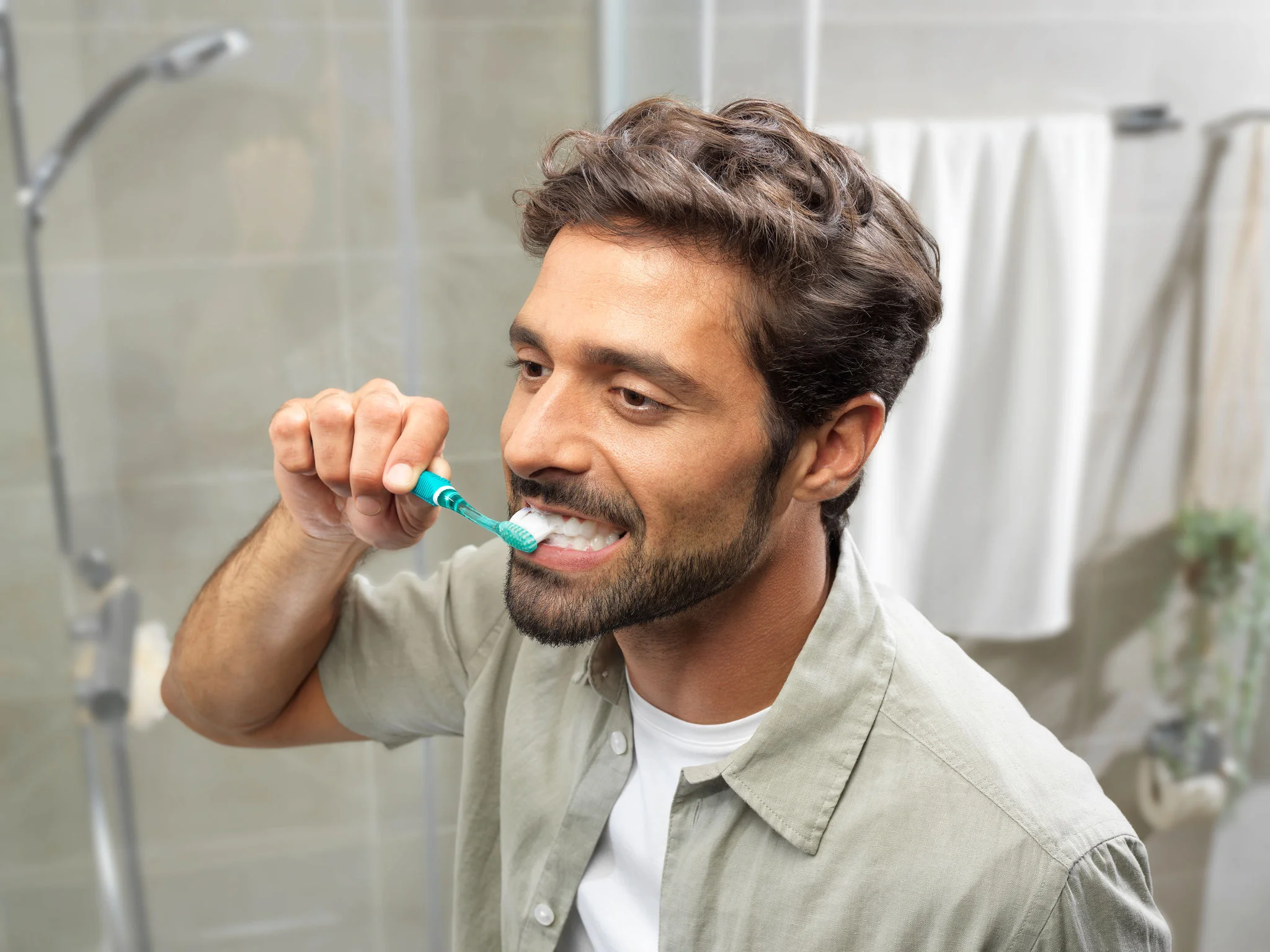
1. You’re Missing Certain Areas When Brushing
Even if you brush twice a day, it’s easy to miss areas around your back teeth, along the gumline and between your teeth.
Plaque can build up in these spots, particularly if you’re brushing quickly or not cleaning between your teeth regularly.
Taking your time when brushing and using floss or interdental brushes daily can help keep these harder-to-reach areas clean.
2. You’re Snacking Throughout the Day
It’s not just how much sugar you eat, but how often you’re eating it.
Every time you have something sugary, bacteria in your mouth produce acids that can damage your tooth enamel. If you’re constantly snacking or sipping sweet drinks, your teeth are exposed to these acids more frequently.
Try keeping sweet treats to mealtimes rather than grazing throughout the day, and choose water between meals.
3. You’re Not Getting Enough Fluoride
Fluoride helps strengthen tooth enamel and protect against decay.
If you’re using toothpaste without fluoride or rinsing your mouth with water immediately after brushing, you may not be getting the full benefit.
Using a fluoride toothpaste twice daily and simply spitting out the excess rather than rinsing can help keep fluoride on your teeth for longer.
4. You Have a Dry Mouth
Saliva does more than just keep your mouth comfortable. It helps wash away food particles and neutralise acids that can damage your teeth.
When your mouth is dry, there’s less saliva available to provide this protection.
Certain medications, dehydration and some medical conditions can contribute to dry mouth. If you frequently notice your mouth feeling dry, it’s worth mentioning at your next dental appointment.
5. Early Cavities Don’t Always Cause Pain
Many people assume that if their teeth don’t hurt, everything must be fine.
However, tooth decay can develop gradually without causing any noticeable discomfort, particularly in its early stages.
This is why regular dental check-ups are important. Your dentist can look for early signs of decay and recommend treatment or preventive care before the problem progresses.
So, How Can You Prevent Cavities?
Good oral hygiene is about more than just brushing twice a day.
Cleaning between your teeth, using fluoride toothpaste, being mindful of how often you snack and keeping up with regular dental visits can all help reduce your risk of decay.
If you’re doing all of these things and still getting cavities, your dentist can help identify other factors that may be contributing.

Looking for a Dentist Near Hornsby or Mount Colah?
At Asquith Dentists, we provide general and preventive dental care for patients from Asquith, Hornsby, Mount Colah, Berowra and surrounding areas.
Whether you’re concerned about recurring cavities or simply due for a check-up, we’re here to help.
New to Asquith Dentists?
Our New Patient Check-Up & Clean is No Gap* with eligible health funds, or $189 without private health insurance.
It’s an opportunity to have your teeth and gums checked, discuss any concerns and get advice on keeping your smile healthy.
Asquith Dentists
359 Pacific Highway, Asquith NSW
(02) 8014 4288
Due for a check-up? Book your next appointment with Asquith Dentists today.